
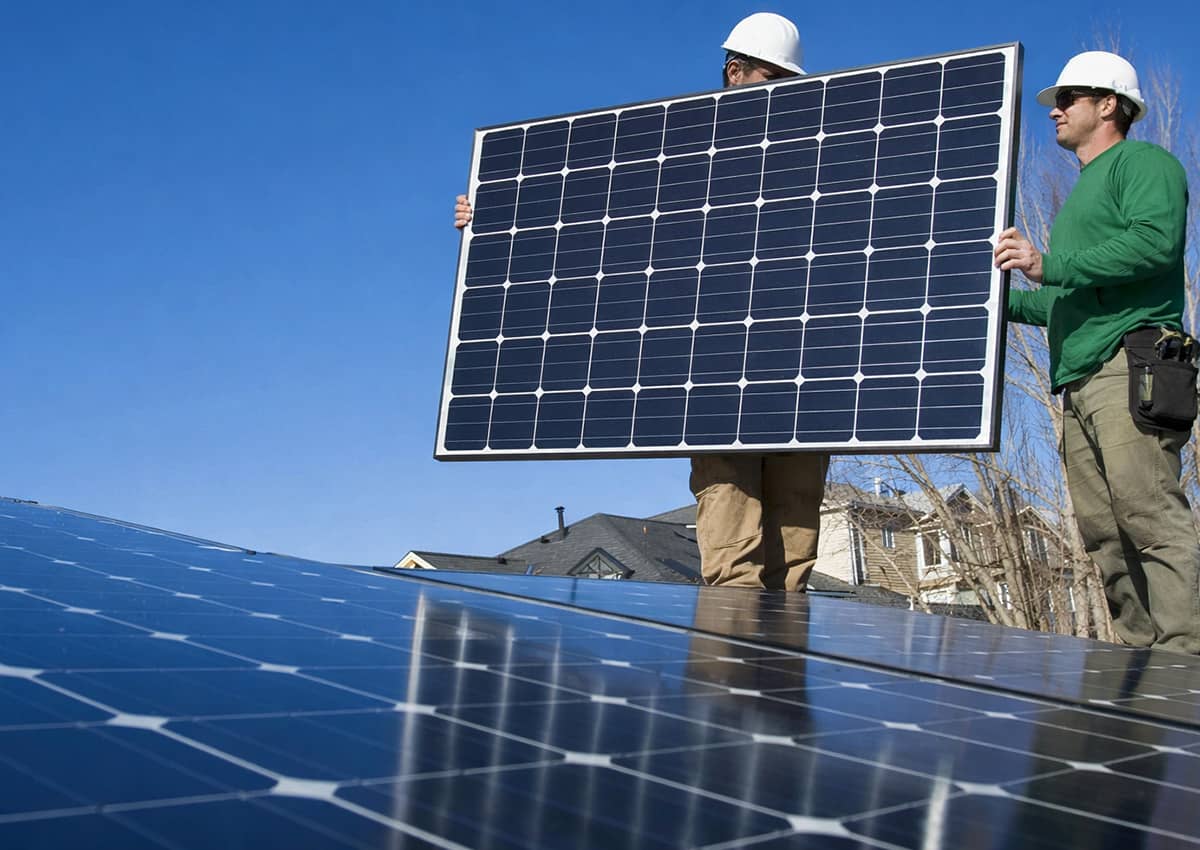
Solar Panels Orlando Incentives
Orlando is known for sunshine and a growing interest in renewable energy. Incentives can make a big difference in the cost and long-term value of going solar — but the details depend on when your system is installed and which utility serves your home.
Why Solar Makes Sense in Orlando
Orlando gets plenty of sunshine year-round — ideal for solar energy. With changing electricity prices and an increased focus on sustainability, solar panels can help homeowners reduce reliance on the grid and lower long-term energy costs. While solar systems have upfront costs, tax exemptions and utility billing programmes can improve affordability and speed up payback.
Major Solar Incentives in Orlando
Many homeowners searching for free solar panels are really looking for incentives and $0-down options that can lower upfront costs. The sections below explain the main programs available in Orlando and what to verify before you sign an agreement.
Federal Solar Tax Credit (Residential Clean Energy Credit)
For homeowners, the federal incentive is commonly referred to as the "solar tax credit" (the Residential Clean Energy Credit). Availability and percentage can change over time, so it's important to confirm what applies to your installation date.
Who this typically applies to
- •Homeowners who own the solar system (cash or loan).
- •Primary residences are most common, but some rules can apply to other qualifying homes.
Common situations (in plain English)
- •Cash purchase or solar loan: You typically keep any eligible tax benefits.
- •Lease or PPA: The solar company usually owns the system, so the homeowner typically does not claim the credit (always confirm your contract).
- •New build: Eligibility depends on who owns the system and when it's placed in service.
What "placed in service" usually means
In everyday terms, this is when your system is installed and ready to operate (often aligned with final inspection/permission to operate, depending on the local process). If timing matters for eligibility, treat this as a must-verify detail — and ask your installer what date they expect your system to be considered operational.
What to keep for your records
- •Signed contract and itemised invoice from your solar installer
- •Proof of payment
- •Equipment list/spec sheets (panels, inverter, battery if applicable)
- •Installation completion documents and any approval/permission to operate paperwork
Note: Tax rules are personal and change over time. If you're unsure, a tax professional can confirm eligibility for your situation.
Florida Sales and Property Tax Exemptions
Sales Tax Exemption (Solar Equipment)
Florida typically offers relief from state sales tax on qualifying solar equipment, which can reduce your upfront cost.
How to make sure you get it:
- •Ask your installer to confirm the exemption is applied correctly on your invoice.
- •Keep an itemised invoice showing equipment and installation costs.
Property Tax Exemption (Added Home Value)
Solar can increase your home's market value. Florida commonly provides a property tax benefit so homeowners aren't penalised with higher property taxes solely due to solar-related improvements (eligibility and scope depend on the rules in force for your property type).
Practical tip: When you install solar, keep your documents. If your home is reassessed or you're asked about improvements, you'll have a clear paper trail.
Net Metering and Solar Export Credits (Orlando Area)
"Net metering" and export credits describe how your utility accounts for excess solar energy sent to the grid. This is one of the most important (and most misunderstood) topics, because the value of exported energy can vary by utility and programme — and not every solar company models these rules correctly in savings estimates.
How it works (simple version)
- •Your panels power your home first.
- •Extra power flows to the grid.
- •Your utility applies credits according to its rules/tariff.
- •At night or during cloudy periods, you draw from the grid and use any available credits.
Orlando-specific reality: it depends on your utility
Orlando homeowners may be served by different utilities, and export-credit rules can differ—sometimes significantly.
Do this first: Find out which utility you have, then ask:
- •"How is exported solar energy credited today?"
- •"Is the credit full retail, a separate export rate, or time-based?"
- •"Do credits expire, and if so, when?"
- •"What happens at the annual 'true-up' (if applicable)?"
- •"Does adding a battery change how I'm billed?"
Then ask your installer to show you a savings estimate that matches those exact rules.
If your export credits are generous, overproduction during sunny hours can offset evening usage more effectively. If export credits are lower, self-consuming more solar (or adding a battery) can become more valuable. Your solar installer should model this based on your specific utility rules.
Local Utility and Community Programmes
Beyond federal and state incentives, Orlando-area utilities and community initiatives may offer programmes such as:
- •Solar export-credit programmes (billing tariffs)
- •Limited-time rebates (sometimes for solar, sometimes for batteries)
- •Energy efficiency offers that pair well with solar (insulation, HVAC upgrades, smart thermostats)
- •Time-of-use or demand-related plans that change your savings profile
Because these offers can change, the most reliable approach is to verify:
- •Your utility's current solar billing rules
- •Any current rebates or pilot programmes
- •Whether programme slots or funding are limited
Good solar companies will help you confirm the right programme and handle the paperwork required for interconnection and approvals.
Solar Financing Options That Can Help
Financing isn't an incentive, but choosing the right structure can dramatically affect affordability and overall value — and different solar installation companies may present options differently.
Solar loans
Best for: Homeowners who want ownership (and potential tax benefits) without paying everything upfront.
What to check:
- •APR and total repayment cost
- •Any "dealer fees" baked into the financed price
- •Term length and early repayment options
- •Whether the quote assumes unrealistic utility price increases
Cash purchase
Best for: Maximum long-term value and simplicity.
What to check: Make sure warranties and workmanship coverage are strong.
Lease / PPA (Power Purchase Agreement)
Best for: Lower upfront cost and hands-off ownership.
Trade-offs: You typically don't own the system, and long-term contract terms matter a lot (escalators, transfer fees, buyout terms).
PACE-style financing
PACE is repaid through a property-tax-style assessment in some areas/programmes.
Before you choose it:
- •Understand how it affects refinancing or selling
- •Confirm total cost, term, and any fees
- •Ask how it appears on your property tax bill and whether it transfers to a buyer
Ready to explore solar for your Orlando home?
Get connected with reputable solar installers and compare quotes today.
Most homeowners are really asking: "Will this pay off for me?" The answer depends on a few practical factors — and on whether your solar installer designs a system that matches your usage instead of oversizing it.
What drives savings most
- •Your electricity usage (especially afternoon/evening demand)
- •Roof orientation and shade
- •System size (right-sized systems often outperform "oversized" ones financially)
- •Your utility's export-credit rules
- •Whether you can use solar power on-site (work-from-home helps)
- •Battery or no battery (more valuable when export credits are lower or outages are a concern)
A simple decision framework
If your utility credits exports strongly, you may see solid savings without a battery.
If export credits are lower, you may benefit more from:
- •shifting usage to sunny hours, and/or
- •adding a battery (now or later)
Batteries can make sense if you:
- •want backup power for outages,
- •have high evening usage,
- •expect lower export credit value, or
- •want more control over when you use your solar energy.
Choosing the Right Solar Installer in Orlando
Selecting the right solar installer can have as much impact as the incentives themselves. A well-designed system and a quality installation protect your savings, warranties, and resale value.
What to look for in solar installers and companies
Clear, itemised quotes
You should see equipment models, labour, permits, and any add-ons listed clearly.
Proof of licensing and insurance
Ask for license and insurance details before you sign anything.
Strong workmanship warranty
Equipment warranties matter, but workmanship coverage is what protects you if issues arise after installation.
Realistic production estimates
Good installers explain assumptions (shade, roof direction, degradation) rather than promising "too-good-to-be-true" output.
Utility and permitting experience
Experienced solar companies know how to handle permits, inspections, and utility interconnection smoothly.
Service and support
Confirm who handles post-install support and how quickly they respond if you need help.
Questions to ask before you choose an installer
- •"Which panel and inverter models are included, and why did you choose them for my home?"
- •"What assumptions did you use for shade, roof orientation, and expected production?"
- •"What warranties do I get on equipment and workmanship, and who honours them?"
- •"Who handles permits, inspections, and the utility interconnection process?"
- •"If I sell my home, what happens to the warranty and any financing agreement?"
How SolarPanelsOrlandoIncentives can help
Solar shopping can be confusing — especially when incentives, export credits, and financing options vary. SolarPanelsOrlandoIncentives helps homeowners make confident decisions by:
- •Explaining current incentives and billing concepts in plain English
- •Helping you understand what to verify with your utility and installer
- •Encouraging you to compare multiple quotes and ask the right questions
- •Connecting you with reputable solar installers and solar installation companies so you can compare options and choose what fits your home and budget
Solar Incentives Available in Central Florida
We help homeowners throughout the Greater Orlando area understand and access solar incentives available in their specific locations.
- •Lakeland
- •Deltona
- •Alafaya
- •Pine Hills
- •Kissimmee
- •Daytona Beach
- •Poinciana
- •Port Orange
- •Sanford
- •St. Cloud
- •Apopka
- •Horizon West
- •Four Corners
- •Winter Haven
- •Ocoee
- •Winter Garden
- •Altamonte Springs
- •Ormond Beach
- •Clermont
- •Meadow Woods
- •Oviedo
- •Winter Springs
- •University
- •DeLand
- •Buenaventura Lakes
- •New Smyrna Beach
- •Winter Park
- •Casselberry
- •Haines City
- •Leesburg
- •Oak Ridge
- •Wekiwa Springs
- •Edgewater
- •Eustis
- •DeBary
- •Hunters Creek
- •Maitland
- •Bartow
- •Tavares
- •Groveland
- •Lake Mary
- •Lake Wales
- •Mount Dora
- •Auburndale
- •Lady Lake
- •Longwood
- •Forest City
- •Minneola
- •South Daytona
- •Holly Hill
Preparing for Solar in Orlando
Step 1: Check your roof (quick reality check)
- Is it in good condition for the next 10–15 years?
- Are there shade issues from trees or nearby buildings?
- Do you have enough usable roof area?
Step 2: Get multiple quotes (and compare properly)
Comparing solar installers helps you avoid overpaying and reduces the risk of poor workmanship. Ask each installer to provide:
- Panel and inverter model numbers
- Estimated annual production and assumptions (shade, orientation, degradation)
- Warranty coverage (equipment, workmanship, production if offered)
- Clear pricing breakdown (equipment, labour, permits, any add-ons)
- A savings estimate based on your actual utility rules
Step 3: Review incentives and billing rules
- Confirm Florida tax exemptions are reflected correctly
- Confirm how your utility credits exported energy (this can change your payback)
- Confirm what your solar company will handle (permits, utility approvals, inspections)
Step 4: Ask the questions that prevent surprises
- "What happens if production is lower than estimated?"
- "What is the process and timeline for permits and utility approval?"
- "If I sell the home, what happens to the loan/lease/assessment?"
- "What maintenance do you expect over 10 years?"
- "Who do I contact for service after installation — the installer or a different company?"
FAQs
Do I qualify for the federal solar tax credit?
It depends on ownership (owning vs leasing), your tax situation, and when your system is placed in service. Confirm current rules and speak to a tax professional if needed. Your installer can provide documentation, but a tax professional can confirm eligibility.
Can I get incentives if I lease solar?
In many cases, the system owner (often the solar company) receives the tax benefits. Your contract should state who gets what.
Will solar increase my home value?
Often, yes — but the impact varies by neighbourhood and system quality. Florida commonly offers a property tax benefit to avoid being taxed on the added solar value (check current rules). Quality installation and transferable warranties from reputable solar companies can also help.
Do I need a new roof before solar installation?
If your roof has limited life left, replacing it first can save you the cost of removing and reinstalling panels later. A good solar installer will review roof condition before installation.
Should I add a battery now or later?
If backup power is important or export credits are low, a battery may make sense now. Otherwise, you can often add one later—just plan for compatibility with your solar equipment and installer.
Make an Informed Solar Decision
Orlando solar savings aren't one-size-fits-all. Your utility's export-credit rules, your roof, and your financing terms all matter. Get multiple installer quotes, verify the billing details, and choose an installation company with strong warranties and support.